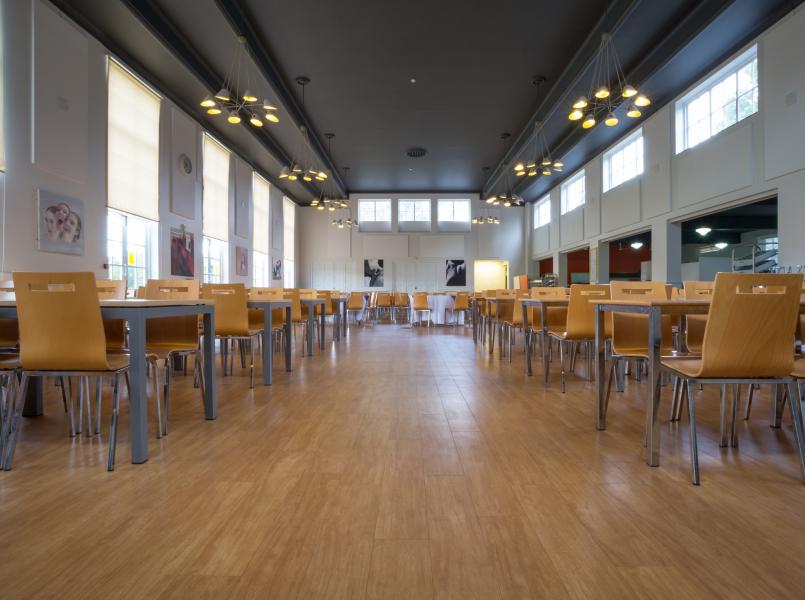
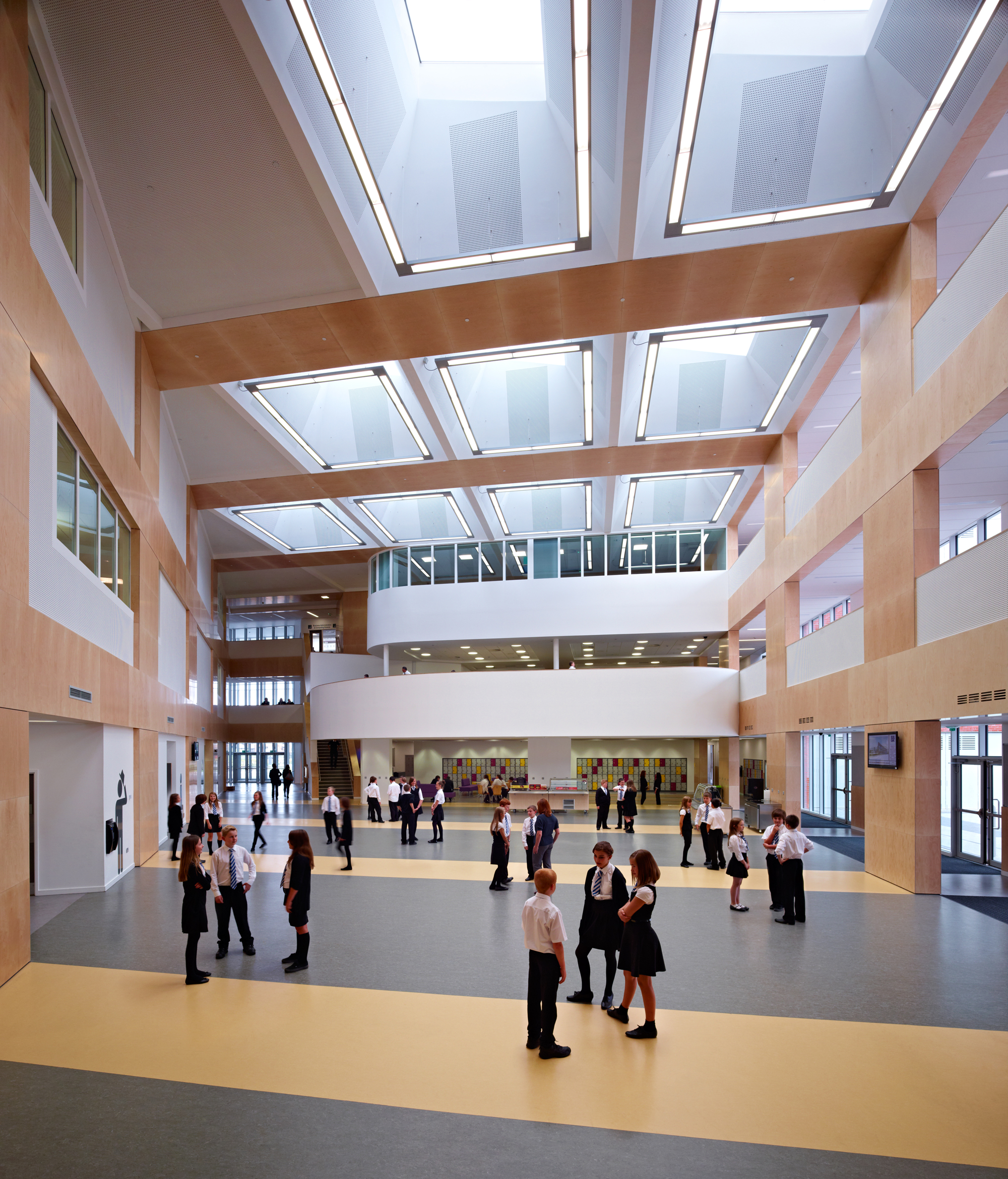
Summer refurbishments provide education facilities with a practical opportunity to upgrade their environments with minimal disruption. With reduced footfall across schools, colleges and universities, estates teams can carry out essential works more efficiently, ensuring spaces are ready for the new academic year. Flooring plays a central role in these upgrades, influencing safety, durability, hygiene and overall performance across a wide range of environments.
Department for Education (DfE) guidance sets clear expectations for flooring, focusing on durability, slip resistance, ease of maintenance and suitability for specific use cases. Rather than a one-size-fits-all approach, flooring must be selected based on the demands of each individual space. High-traffic areas such as corridors and entrances require robust, slip-resistant materials, while classrooms and libraries benefit from solutions that support acoustics and comfort. Specialist areas, including sports halls, laboratories and wet environments, demand more technical performance, from shock absorption to chemical resistance and enhanced hygiene.
Why Summer is the Best Time to Upgrade Education Spaces
Refurbishment works within live education environments can be complex, requiring careful planning to balance safety, access and continuity of learning. The summer holiday period offers a clear advantage, creating a valuable window in which more substantial projects such as corridor upgrades, sports hall installations or wet area refurbishments can be completed efficiently and safely, without disrupting staff or students.
With sites quieter and access less restricted, contractors can work more flexibly, allowing projects to progress at pace and reducing the risk of delays caused by phased working or out‑of‑hours restrictions. This not only shortens programme times but can also deliver cost efficiencies and a higher-quality finish.
Crucially, the summer break allows estates and facilities teams to take a more strategic, long-term view of their spaces. Rather than simply replacing like for like, it provides the opportunity to assess whether existing floorcoverings still meet current expectations and standards, particularly around slip resistance, hygiene, durability and whole‑life performance. High‑traffic areas, wet environments and multi‑use spaces all place different demands on flooring, and ageing materials can present increased maintenance burdens or compliance risks if left unaddressed.
Advances in flooring technology now offer fast‑track installation options and readily available materials designed to support tight project timelines. These solutions enable education providers to deliver upgrades efficiently over the summer period, without compromising on quality, safety or long‑term performance, ensuring facilities are ready for the new academic year and resilient for many years to come.
Meeting DfE Flooring Requirements
The Department for Education (DfE) guidance sets clear expectations for flooring performance across education environments, ensuring spaces are safe, durable and fit for purpose throughout their lifecycle. At a high level, flooring solutions within education settings are expected to:
- Withstand heavy footfall and rolling loads associated with daily use. Flooring must be robust enough to cope with continuous foot traffic and rolling loads from furniture, equipment and maintenance activities, without compromising safety or performance. Long-term durability is essential to preserve appearance and reduce the need for frequent repair or replacement.
- Provide appropriate slip resistance, typically meeting PTV 36+ or R10/R11 standards where required. Flooring must deliver proven slip resistance to reduce the risk of slips and falls, particularly in areas prone to moisture or spillages such as entrances, washrooms and sports facilities. Performance should be independently tested and maintained throughout the floor’s lifespan.
- Deliver suitable resistance to water, chemicals and contaminants, depending on the nature of the space. In specialist environments such as laboratories, dining areas and wet rooms, flooring must resist penetration and degradation from water, cleaning agents, chemicals and other contaminants to maintain safety, hygiene and durability.
- Be easy to clean and maintain to support hygiene and operational efficiency
Flooring should support effective cleaning regimes, with smooth, non‑porous surfaces that minimise dirt traps and reduce maintenance time, helping education providers maintain high hygiene standards with minimal disruption. - Comply with relevant commercial‑use classification standards
Products should meet recognised commercial performance classifications to ensure they are suitable for intensive, long‑term use in education settings, delivering reliable performance and value over their full lifecycle.Importantly, the DfE does not prescribe a single flooring solution across all education environments. Instead, it recognises that different areas, from general classrooms and circulation spaces to wet rooms and specialist facilities place very different demands on floor performance. As a result, flooring types are defined by usage rather than aesthetics alone. This reinforces the importance of a fit‑for‑purpose approach, where flooring is carefully selected based on the specific functional, safety and compliance requirements of each individual space.
Considerations of Flooring Solutions for Key Areas
Entrances, Corridors and High-Traffic Areas
These areas experience the highest levels of wear and tear and must be designed to handle constant footfall and wheeled traffic. Flooring needs to be durable, slip resistant and capable of managing dirt and moisture brought in from outside.
Barrier matting plays a vital role in reducing slip risks and lowering maintenance requirements by preventing dirt ingress. Alongside this, robust vinyl or linoleum flooring provides long-term durability and ease of cleaning. Wall protection systems and stair edgings can also help reduce damage and improve safety, particularly in busy circulation areas.