
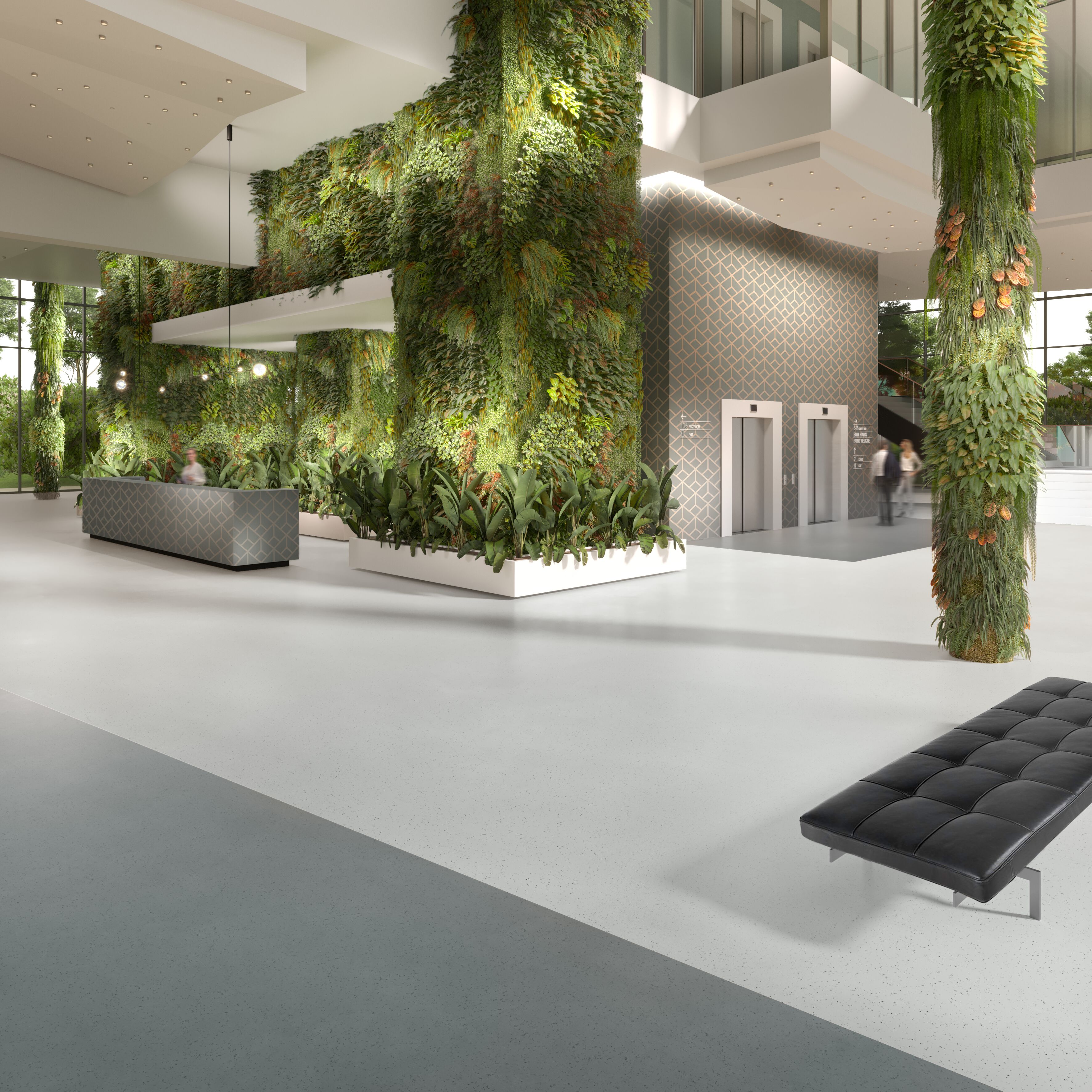
The Origin of Biophilia
The word “biophilia” was created by psychologist Erich Fromm in 1964. It means the ‘love of life’ and explains two important things about living things: our natural instinct to protect ourselves from harm and our innate desire to connect with other living things, including the natural world.
In 1984, Robert Ulrich, one of the first to research the impacts of biophilic design, conducted a landmark study. His findings showed that patients with natural views had an average length of stay that was 18 hours shorter than patients with no natural views.
Ulrich’s work has inspired research into how wider biophilic design principles can impact health outcomes. These studies found that patients benefited from brighter rooms and more access to daylight, views to the outside (both real and simulated), and exposure to plants with subjects experiencing faster healing times.
Benefits of Biophilic Design
Subsequent studies have shown that introducing biophilic design elements into healthcare settings can lead to a host of benefits, including enhanced recovery, better pain and stress management, and better staff performance. In fact, research into the effect of biophilic design on patient experience found that rates of patients who responded “would definitely recommend this facility” on evaluations improved between 6.1% and 12.4%.
Incorporating Biophilic Design into Healthcare Interiors
Biophilic design principles, which aim to connect people with nature, can be incorporated into floor covering and wall protection system choices. Materials that replicate natural textures, colours and patterns play an important role. Flooring with wood or stone finishes and Wall coverings with nature inspired designs can help create a calming and healing environment for patients, staff, and visitors alike. Interior-finish features such as colour, design, shine, and surface treatments can significantly affect both maintenance protocols and the overall sense of well-being. In addition, incorporating wayfinding and biophilic design principles can create a space more conducive to health and recovery.
Every detail matters in health care design. From the layout of the space to the furniture chosen, each element plays a role in creating an environment that fosters healing and well-being. Colour is a particularly powerful tool in this context, capable of evoking emotions and even physiological responses. In health care settings, where stress and anxiety can be prevalent, the right colours can make a significant difference in creating a calming and supportive atmosphere.
Human Diversity and Patient Recovery and Well-Being
Gone are the days of designing healthcare environments containing long sterile, white corridors, and noisy communal living, entertainment, and dining areas. Inclusive design is for everyone and it’s a process that considers the full range of human diversity with respect to ability, language, culture, gender, age, and other forms of human difference. Overall, thoughtful design choices in the healthcare environment can have a significant impact on patient recovery and well-being, making it an essential aspect of healthcare design. Incorporating natural elements like wood, water, and minerals into the interior design can help reduce stress, stimulate positive emotions and promote healing.
Biophilic design integration on Floors & Walls
Designers and specifiers can choose floor coverings that are inspired by nature and are made from hard wearing vinyl, carpets or linoleum. These innovative solutions offer a wide variety of tones, textures, patterns, shapes, and colours that can evoke natural elements, such as plants, minerals, water, or the sky. They also deliver outstanding comfort, durability, and ease of maintenance to ensure the longevity of healthcare facilities.
Floors & Walls with Gerflor & Gradus
The Gerflor MyTaralay digital printing floor covering service offers a versatile solution for biophilic design, with customisable patterns and colours that bring natural elements into interior spaces. Whether it’s calming wood tones or organic textures, MyTaralay helps specifiers create environments that support wellbeing; while meeting compliance, durability, and hygiene standards, Floor coverings can be combined with robust wall protection for a complete themed design finish.
Gradus SureProtect Artworx is a wall cladding system that allows bespoke images to be printed on to the PVC-u sheet. This allows specifiers to incorporate murals into healthcare spaces and introduce biophilic design elements whilst still achieving durability and infection prevention. Recently launched, the SureProtect Artworx® Wall Protection collection, was created in collaboration with Kate Bond, a designer who specialises in biophilic design for use in healthcare environments. Artworx® pays tribute to the stunning scenery of the nearby Peak District.
Gradus also has 14 new SureProtect Pure Hygienic Wall Cladding Satin colours, specifically designed for healthcare environments with finishes that can enhance the biophilic design of a healthcare setting. These subtle and classic hues enhance the aesthetic appeal of healthcare facilities and also prioritise hygiene and durability. The collection offers superior protection against wear and tear, ensuring long-lasting surfaces that withstand the rigors of daily use. The smooth PVC wall cladding is easy to clean, helping to maintain a sterile environment crucial for patient safety.
Conclusion
Given the positive impacts associated with biophilic design, particularly through quality views and daylighting, and the financial benefits that can be tied to improving the patient and caregiver experience, it is no surprise that the healthcare industry has shown momentum toward incorporating biophilic design principles into interiors.
While most research on the topic has centred on acute-care hospitals to date, it is likely that similar benefits can be realised within outpatient-focused facilities. Fortunately, as more large healthcare networks reap the benefits of biophilic design in their hospitals, it is natural that similar design principles will be applied to outpatient offices and will be incorporated into healthcare spaces of all specialties and sizes.
By catering to the unique needs and challenges of healthcare environments, architects and specifiers can create interiors that prioritise patient care, enhance staff performance, and contribute to the overall health and happiness of all individuals within the facility. Through wise choices of colour and design the goal is to create spaces that not only provide excellent medical care but also promote healing, improve overall well beings and create a sense of comfort for patients, staff and visitors. Need Support Choosing the Right Solution?
For tailored advice on Biophilic design specification, Darren Curtis is available to support NHS and Private Healthcare decision-makers at every step of the process.
Reach out to Darren Curtis | LinkedIn
Contact Us For further information on flooring, wall protection, and interior solutions that can help bring your biophilic design to life speak to the experts at Gerflor and Gradus. Our solutions help deliver environments where patients, staff, and visitors can thrive.
Gerflor Flooring Visit: gerflor.co.uk Tel: 01625 428 922 Email: contractuk@gerflor.com
Gradus Accessories Visit: gradus,com Tel: 01625 428 922 Email: imail@gradus.com